-
By miguel-ingles
- In Uncategorized
VAT in the UK can be a tool with which corporations can reduce their business expenses. However, if they do not properly declare this tax, a company may suffer devastating consequences for its business activities. In this article, I explain how and when to register for VAT in the UK.
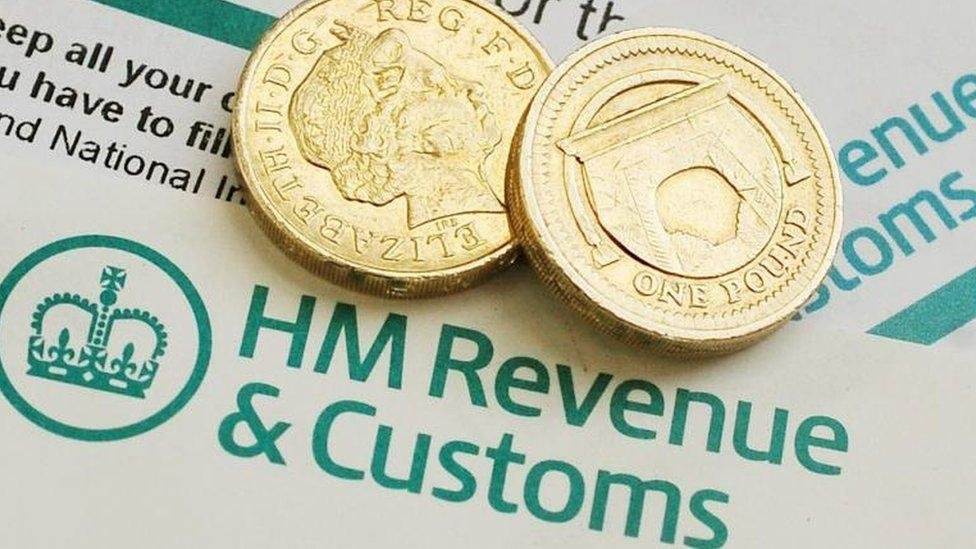
What is VAT in the UK?
VAT (Value Added Tax) is a duty that levies the consumption of the end customer of the production and sales chain. Thus, companies that sell these products and services will collect this duty in place of the public administration. It is similar to other taxes from European countries, such as IVA from Spain.
Businesses that collect VAT must declare it quarterly to His Majesty’s Revenue and Customs (HMRC). If they fail to do so, they may face legal problems.
Depending on the item the enterprises sell, the HMRC applies some rates of VAT or others. The standard type, applicable to most products and services, stands at a 20% of the selling price. The reduced rate, at a 5%, taxes health and energetic goods. Finally, there is a zero-type, that gathers food, books and newspapers and children’s clothes.
Benefits of Being Registered for VAT
Being registered for VAT can bring some benefits to businesses. VAT is designed in a way in which the final consumer of production and sell chain pays it. Consequently, if a company has registered for VAT, they may deduct the money which corresponds to business expenses.
However, to be eligible for these fiscal reductions, we will have to present certain documentation that proves these expenses, such as bills or annual accounts.
Penalties
It is a legal requirement to register into VAT if the company counts with the previously mentioned conditions. If they do not comply, authorities may impose penalties or even prison sentences. Depending on how severe the delay is, the company will have to pay a penalty between a 5 and a 15% of the taxes they had to pay. However, HMRC may impose penalties up to a 100% of non-declared taxes.
When to Register for VAT in the UK?
There are several instances in which a company has to register for VAT in the UK by law. On the one hand, corporations that have earned more than 90 000 GBP (107 500 EUR) in the last fiscal year or those that believe that they will exceed that figure in the next 30 days, must register for VAT.
Nonetheless, there are other cases in which enterprises must sign up and declare this tax.
- If the headquarters of the company are outside British territory.
- If the business imports products to the UK (or will import them within the next 30 days).
- When exporting goods to countries of the European Union (depending on the laws of each particular nation).
Finally, corporations that do not meet any of the above requirements can also register for VAT voluntarily and enjoy the benefits that this entails.
How to Register for VAT in the UK?
To sign up for VAT in the UK, the first step will be to gather certain documentation. Among the required files there are the following.
- The Companies House registration data of the enterprise (sole traders and the members of a partnership must provide their National Insurance number).
- The UTR number of the business.
- The data of the commercial bank account of the corporation.
- The annual accounts and an estimation of the taxable income of the last fiscal year.
Once you have these files, the company can go through the process of registration for VAT. There are two ways to do it: online or by mail. The internet way is more recommended, as it will be faster. Nonetheless, there are certain cases in which it is required to complete the registration through mail. In this link you can check these instances.
After completing this process, the HMRC will send you within two weeks the VAT number of the business, how to set up your tax account and when to file your first VAT return.
In ukstartcompany, you will find information about how to establish, register and operate companies with different legal structures and business activities in the UK.